Terre Cevico was founded, as a cooperative, in 1963, producing wine from grapes grown by its members throughout Romagna. Today is a Group that operates principally in Emilia Romagna, but also with its own wineries in Veneto and Puglia.
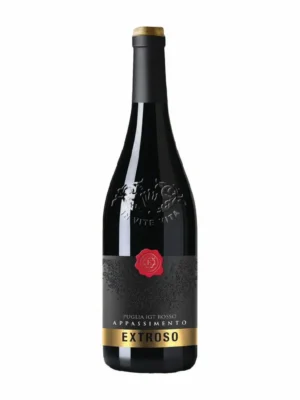
Extroso Appassimento Rosso Puglia IGT is a bold, full-bodied Italian red wine produced in Puglia, using the traditional appassimento method—where grapes are partially dried on the vine or mats to concentrate sugar and flavors— and delivering a rich, jammy profile with a high alcohol.
The name Cielo e Terra (literally Sky and Land, or Heaven and Earth) recreates a perfect marriage, where Heaven is represented by the family of the same name and the Land is identified with the expert hands of the winegrower partners working in the vineyards that yield these wines.
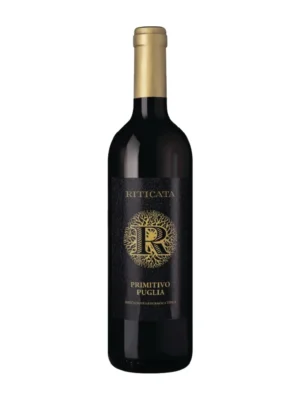
The grapes for this red wine grow in IGT Puglia. The grapes are picked early (hence Primitivo) to ensure the freshness, and youthfullness of the fruit.
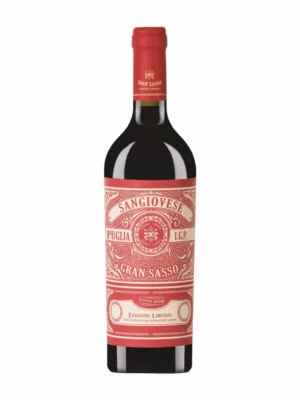
The Gran Sasso is the highest mountain of the Apennines (2912 meters above sea level) that protects the region from rainfall from the western side of the country. The cool wind from the Apennines and the sea breezes from the Adriatic Sea create a unique and truly exceptional microclimate. The weather here is typically Mediterranean with hot summers and snowy winters. The composition of the soil mixed: in the hilly areas and on the mountain slopes we find marly-clayey soils, rich in sand and limestone; in the flat areas of the coast, on the other hand, soil with gravel and alluvial deposits.
This Sangiovese express distinctive characteristics in this area of Puglia, thanks to the strength of the sunlight and the high temperatures during the ripening period.
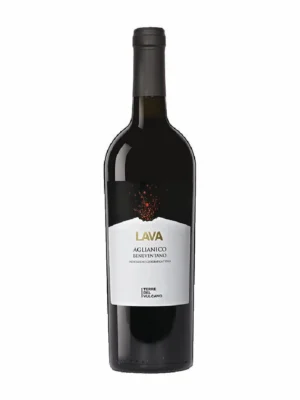
Lava vineyards are situated at between 450 and 550 metres above sea level and benefit from the cool breeze blowing off the Bay of Naples. Over the centuries, this breeze has blown volcanic ash from Vesuvius inland to give the soil here a poor, volcanic character.
Thanks to a particularly favorable microclimate and an extraordinary soil condition, the agronomists have carried out painstaking work in selecting the best vineyards. Modern technological processes and careful oenological knowledge allow to now make wines that embody the best reinterpretation of millennia of wine tradition enclosed under the name of Lava.
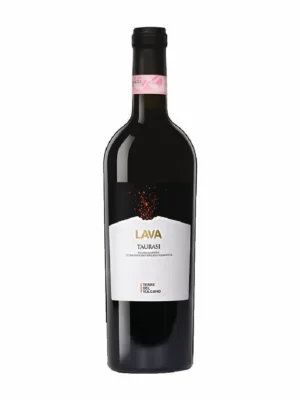
The Taurasi vineyards are situated at between 500 and 700 meters above sea level, and are always subject to a cool breeze that blows off the Bay of Naples. This same breeze has, over centuries, blown volcanic ash from Vesuvius inland to give the soil here a poor, volcanic character. Fruit for this wine was sourced from vineyards of over 40 years old able to give the best expression of Taurasi.
Thanks to a particularly favorable microclimate and an extraordinary soil condition, the agronomists have carried out painstaking work in selecting the best vineyards. Modern technological processes and careful oenological knowledge allow to now make wines that embody the best reinterpretation of millennia of wine tradition enclosed under the name of Lava.
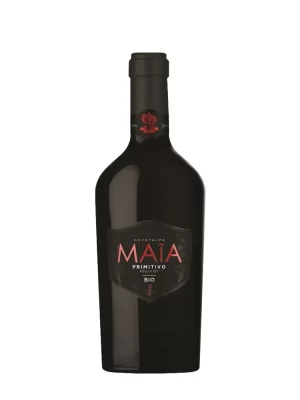
The name Maia comes from an ancient tradition. Maia is in fact one of the seven sisters stars that together form the constellation of the Pleiades. Since ancient times guided sailors and farmers of Lake Garda in navigation and harvesting.
Refined and light, the Primitivo of Maia is fused between dark toned patterns with a distinctive character and design, to then evolve into pure, light tones with a delicate character.
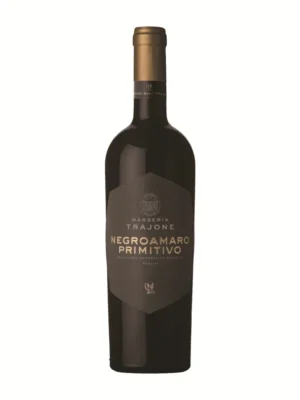
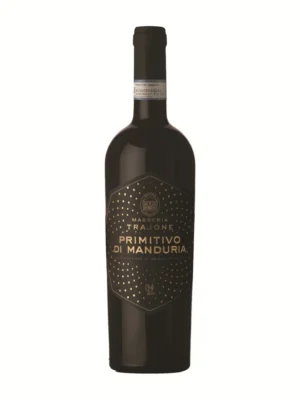
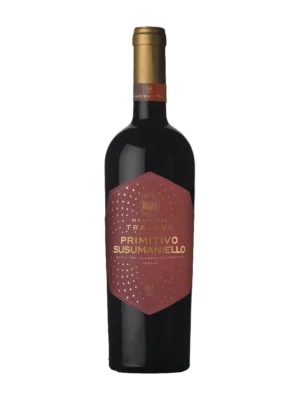
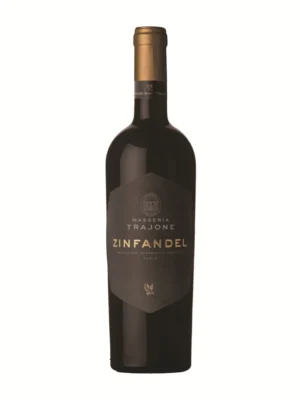
It’s part of a broader production portfolio represented by the Femar winery and takes its name from an old farmhouse whose vineyards are located in Puglia, near the town of Manduria. The wines are produced primarily from Negroamaro and Primitivo grapes. The brand has also expanded to include an interesting version of Zinfandel.
It’s part of a broader production portfolio represented by the Femar winery and takes its name from an old farmhouse whose vineyards are located in Puglia, near the town of Manduria. The wines are produced primarily from Negroamaro and Primitivo grapes. The brand has also expanded to include an interesting version of Zinfandel.
It’s part of a broader production portfolio represented by the Femar winery and takes its name from an old farmhouse whose vineyards are located in Puglia, near the town of Manduria. The wines are produced primarily from Negroamaro and Primitivo grapes. The brand has also expanded to include an interesting version of Zinfandel.
It’s part of a broader production portfolio represented by the Femar winery and takes its name from an old farmhouse whose vineyards are located in Puglia, near the town of Manduria. The wines are produced primarily from Negroamaro and Primitivo grapes. The brand has also expanded to include an interesting version of Zinfandel.
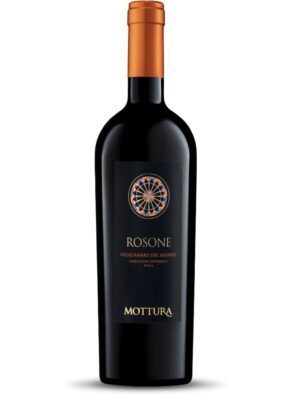
Mottura wines are modern, but have a long history to tell. Since 1927, Mottura has been investing into the wine-making traditions of Salento, into the quality of its product and into modern and sustainable growth: made from native grapes such as Primitivo and Negroamaro, their aromas and bouquets reflect the spirit of this land, its authenticity and its energy.
Cultivated using the ancient bush-trained system which is naturally low-yield, it nonetheless has great concentration and organoleptic complexity. A Negroamaro with a strong personality yet a delicate palate.
The name and image on the label in fact recalls a rose window, the decorative roundel present on the facades of Romanesque, Gothic and Baroque style churches. The symbolic meaning of the rose window is closely related to the circle which, like an “infinite line” with no beginning and no end, is the symbol of God, and of eternity.
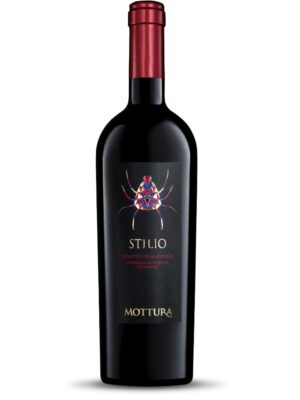
Mottura wines are modern, but have a long history to tell. Since 1927, Mottura has been investing into the wine-making traditions of Salento, into the quality of its product and into modern and sustainable growth: made from native grapes such as Primitivo and Negroamaro, their aromas and bouquets reflect the spirit of this land, its authenticity and its energy.
In recent years “Stilio” has been added to Mottura’s range of wines. It is made from grapes selected from low-yield vineyards in the area of Manduria. One part of the grapes used to make this wine is slightly raisined on the vine, which concentrates the aromas before harvesting, thanks to a slight drying and resulting 20-30% loss of water. The label recalls the ancient cultural tradition of the “taranta” in Salento, rediscovered in recent years: a stylised jewel-like spider on a black background. The symbolism of the spider, the “taranta”, is important. Its bite triggers the need for dancing, music and colours, with a cathartic effect. All liberating emotions that even the flavour of this wine could provoke.
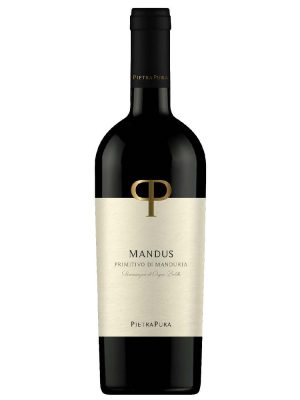
The PietraPura range is the result of the shared objectives of making the most of the native vines of the Salento area and of creating wines that express the very best of the terroir. Rocca delle Macìe has combined experience and expertise to create three different types of wine using Primitivo and Negroamaro grapes, which are vinified and bottled in the Puglia Region, under the watchful eye of the Zingarelli family’s chief winemaker, Luca Francioni.
This wine is produced with Primitivo grapes selected in the Salento Area of Apulia.
After temperature controlled fermentation is over, must is gently pressed and the wine goes through 4 months aging in French oak barrels.
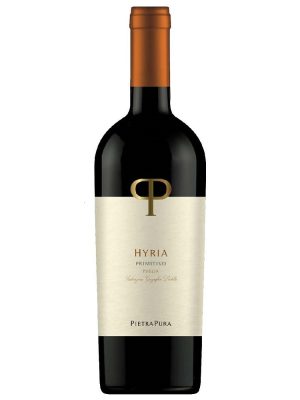
The PietraPura range is the result of the shared objectives of making the most of the native vines of the Salento area and of creating wines that express the very best of the terroir. Rocca delle Macìe has combined experience and expertise to create three different types of wine using Primitivo and Negroamaro grapes, which are vinified and bottled in the Puglia Region, under the watchful eye of the Zingarelli family’s chief winemaker, Luca Francioni.
The Primitivo grapes of this wine come from selected vineyards located in southern Puglia, where the traditional Alberello basso vine training method is employed.


 Download Tasting Note