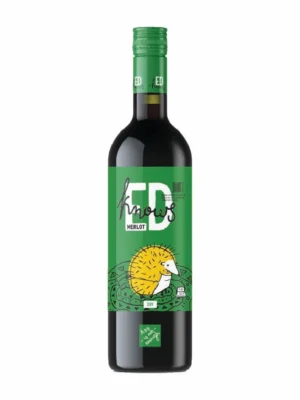
A collection of wines with individual character. The concept of this brand is to actively interact with consumers, communicating in their own way through different characters, taking into account the individuality and preferences of consumers.
Merlot in French means The Little Blackbird. This is an approachable grape variety and is often recommended as the first red for someone new to red wines. Known for being soft, ripe and elegant, Merlot is an easy red that goes well with food, or on its own.
Always available to couple up… with a nice dish, good mood, and great company.
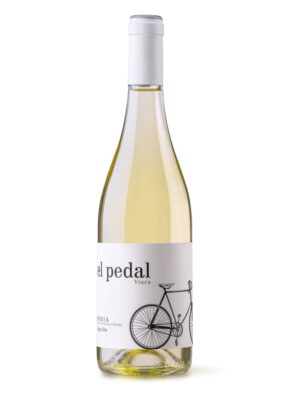
Finca La Emperatriz is a winery with an extensive vineyard estate in Rioja Alta.
Viñedos Hermanos Hernáiz is the new project of brothers Eduardo and Víctor, who in 1996 acquired Bodega La Emperatriz, named as such because the first owner of these plots was Eugenia de Montijo, wife of Napoleon III and Empress of France. With this new emphasis and with new projects at hand, the winery changed its name but its high-end wines retain the Finca La Emperatriz signature, the name of the ‘viñedo singular’ they come from, which is given to small, old plots with limited but high quality production and which, in summary, must comply with a series of strict standards to prove their quality.
This wine is made from traditional bush vine Viura with an average age of 35 years in the vineyards of Fuenmayor and Cenicero.
In Baños de Rioja, Viura is trained in espalier. The vineyards of Fuenmayor and Cenicero are not located in an area as extreme as those of Baños de Rioja, the microclimate is less Atlantic and the wines do not require of a long aging to show their full potential.
For more info, visit Finca La Emperatriz / Hermanos Hernáiz website.
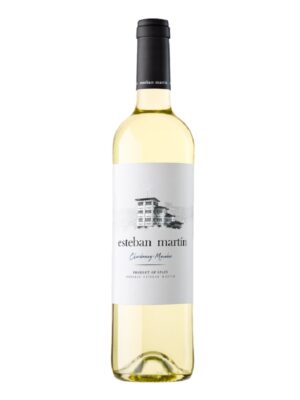
The enterprising Esteban Martín family has always had a very close relationship with the countryside and farming. The family business began in 1964 with the creation of the Granja Virgen del Rosario farm. In addition to the farm, the winery and a transport company also form part of Grupo Esteban Martín, the group fully owned by the Esteban Martín family.
In 1985, Miguel Antonio Esteban decided to buy 150 hectares of vineyards in the best lands of the DOP Cariñena, located at the foot of the Iberian Mountains, in the heart of the Ebro Valley. Year after year he was acquiring new parcels and already in 2003 he decided to build his own winery.
Produced with organic practices and suitable for vegans, this wine reflects Bodegas Esteban Martín’s dedication to quality and respect for nature.
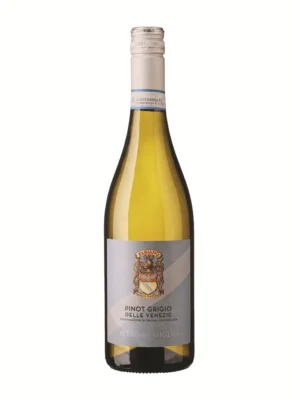
Originally Venetian wine traders in 1912, the Fabiano family moved to Verona in 1956 to produce wine on a larger scale, sourcing fruit from Estate and contract vineyards in Soave, Bardolino, and Valpolicella.
The name “Settimo Miglio” carries a deep meaning. The Fabiano is exactly seven miles from the Verona Arena. The distance measured
according to the tradition of the ancient Romans inspired the name of the wine, representing its close connection with the wine heart of the region. This Pinot Grigio is characterized by delicate minerality, balanced by lively acidity that lends freshness to the wine.
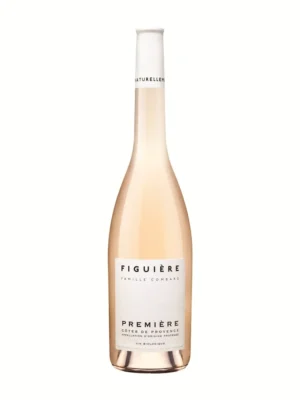
Figuière is a pioneering maker of superior Provence wines and an ambassador of a new generation of top-level winemakers dedicated to their terroir.
Figuière strives to promote the superiority and creativity of the wines of Provence with a novel approach to rosé, designing it just like a “fine wine” in terms of time, craftsmanship and terroir. Figuière wines are the product of an unparalleled union between Provence and Burgundy, the La Londe terroir and the mastery of craft winemakers specialized in great Burgundy whites.
The Domaine’s Première offering will delight anyone looking for finesse and elegance as well as those who appreciate a crisp wine with depth. Available in rosé, red or white, these wines are Figuière’s oldest cuvées. Première cuvées are signature wines, they are complex and tight with saline notes and wonderful length on the palate.
Produced from certified organic grapes (ECOCERT) since 1979 and certified vegan.
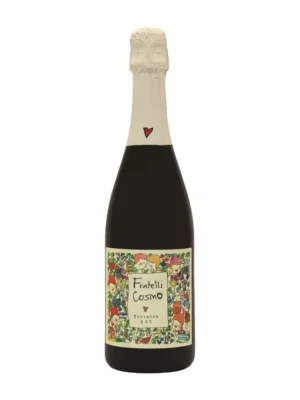
For over thirty years, Fratelli Cosmo have been producing Conegliano Valdobbiadene Prosecco Superiore, pioneering the revival of a method that was widespread in the Conegliano Valdobbiadene area until 1930 and subsequently forgotten.
Today, they can proudly take you on a journey through various methods of vinification and sparkling wine production using Glera grapes, to discover together that Prosecco can transcend traditional interpretations.
This graceful, fragrant Prosecco is the fruit of a selection of grapes from the finest vineyards in the zone of Cordignano, Sarmede, and Cappella Maggiore in the hills of Treviso.
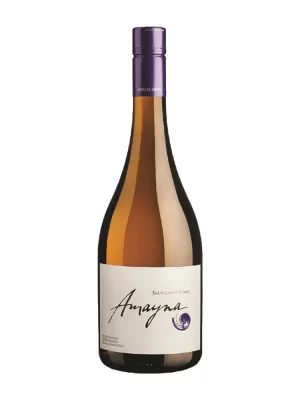
With a long lasting tradition which spans many generations, the Garcés Silva family has developed a deep bond with the land, imprinting a unique quality-seal to each of its different agricultural activities.
With its noble and traditional style, Amayna wines are synonymous with elegance, complexity and concentrated flavors.
Whether consumed today or after years in the cellar, Amayna wines reflect the maximum expression of their terroir and the identity of the Garcés Silva family in the Leyda Valley.
The poor soils and gentle ocean breezes create tremendous aromatic potential and the great intensity reflected in this wine’s floral aromas and fresh, exotic fruit. A full, balanced Sauvignon Blanc with personality and exquisite elegance.
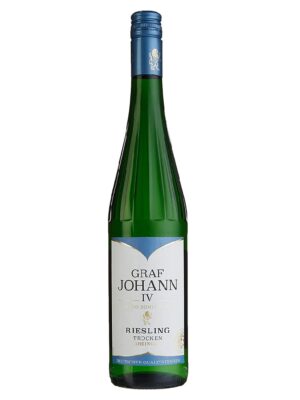
Graf (Count) Johann IV von Katzenelenbogen was one of the founders of the success of the Riesling grape variety. In 1435, at his behest, vines of a then new, white variety called Riesling were planted.
The grapes for its production are grown on shale and alluvial soils located on the banks of the Rhine, under the influence of a mild, almost Mediterranean climate. The wine-making traditions of the region were laid in the monastic farms in the early Middle Ages.
The wine is named in honor of Count Rheingau-Johann IV Katzelenebogen, who in 1435 ordered to plant 22 vines of a new grape variety in one of his vineyards. The name of the new variety was Riesling. So Johann IV inscribed his name in the history of the greatest white grapes, and his possessions in the Rheingau are still called the “Riesling’s cradle”.
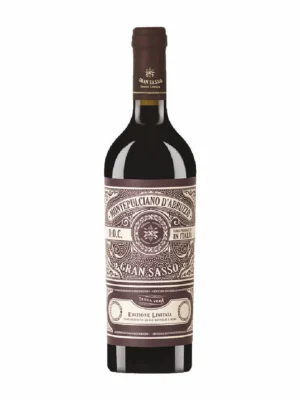
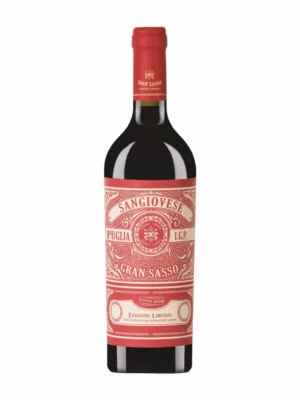
The Gran Sasso is the highest mountain of the Apennines (2912 meters above sea level) that protects the region from rainfall from the western side of the country. The cool wind from the Apennines and the sea breezes from the Adriatic Sea create a unique and truly exceptional microclimate. The weather here is typically Mediterranean with hot summers and snowy winters. The composition of the soil mixed: in the hilly areas and on the mountain slopes we find marly-clayey soils, rich in sand and limestone; in the flat areas of the coast, on the other hand, soil with gravel and alluvial deposits.
The vineyards of this Montepulciano d’Abruzzo DOC are situated around the area around of Roseto degli Abruzzi on the Adriatic coast of the Abruzzo region. On the steep slopes with a perfect sun exposure, the vines are planted on a clay and limestone soils. The thermic excursion between day and night creates a perfect balance between flavours and acidity.
The Gran Sasso is the highest mountain of the Apennines (2912 meters above sea level) that protects the region from rainfall from the western side of the country. The cool wind from the Apennines and the sea breezes from the Adriatic Sea create a unique and truly exceptional microclimate. The weather here is typically Mediterranean with hot summers and snowy winters. The composition of the soil mixed: in the hilly areas and on the mountain slopes we find marly-clayey soils, rich in sand and limestone; in the flat areas of the coast, on the other hand, soil with gravel and alluvial deposits.
This Sangiovese express distinctive characteristics in this area of Puglia, thanks to the strength of the sunlight and the high temperatures during the ripening period.
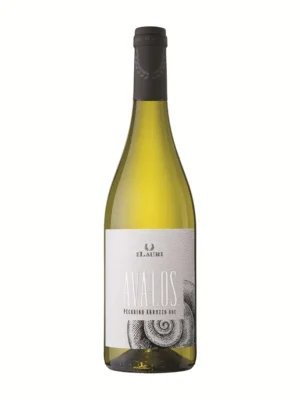
The name “iLauri” stems from the ancient roots of our birth place, Loreto Aprutino, once covered in Laurus nobilis, or laurel trees.
The Spanish influence in Italy and European Baroque culture during the 16th century cannot be denied. The Abruzzo region, as most of Southern Italy had intense ties from a political, cultural, religious, economic and social point of view. The Avalos family moved to Italy and developed centers of cultural excellence that rivaled the Medici family. Pecorino, a white grape once thought lost to the world is a must-try for those that believe Trebbiano is the only white wine in the Abruzzi. A sumptuous full-bodied white that flows with compelling flavors of white pulp, apricots and lychees.
Eco-compatible farming methods. 100% produced with clean and renewable wind-generated energy of sustainability.
The name “iLauri” stems from the ancient roots of our birth place, Loreto Aprutino, once covered in Laurus nobilis, or laurel trees.
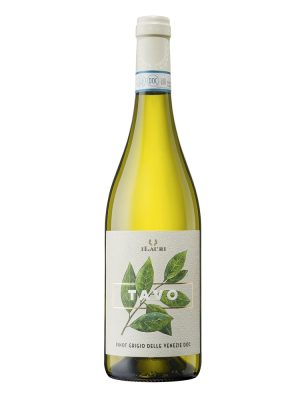
The celebrated Pinot Grigio varietal has been known since the Middle Ages in the Burgundy region and derives from a bud mutation of Pinot Noir. In partnership with they winemaker, the I Lauri’s team supervise an exquisite parcel in the Northeastern region of Veneto, while the name stems from one of our area’s most important rivers, born at almost 2.000 meters at the foot of the Gran Sasso.
Eco-compatible farming methods. 100% produced with clean and renewable wind-generated energy of sustainability.
The name “iLauri” stems from the ancient roots of our birth place, Loreto Aprutino, once covered in Laurus nobilis, or laurel trees.
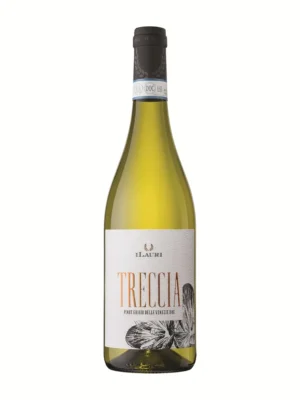
15 years of laborious trial and error with Italy’s most successful single varietal has created this extraordinary single-vineyard Pinot Grigio. A fantastic expression of Pinot Grigio – an enological superstar!
Eco-compatible farming methods. 100% produced with clean and renewable wind-generated energy of sustainability.
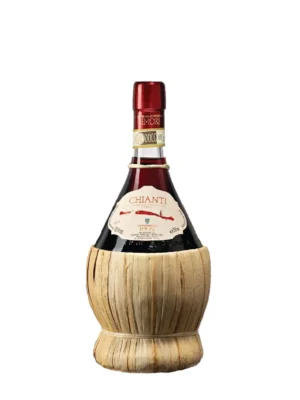
In the early 1970s, when farmers were still leaving the countryside to flock to the city, the Giannelli family began renewing the crops of the small I Mori farm, which has gradually expanded since then.
This Chianti in a typical “fiasco” straw bottle is produced in the I Mori vineyards that extend across the Florentine hills, at an altitude of 250 meters above sea level.
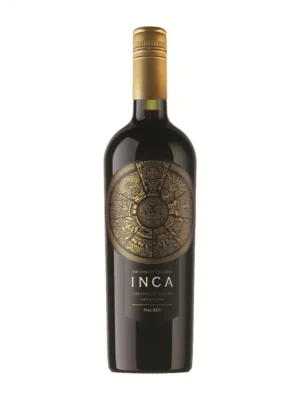
For many years, the isolated mountain valleys of Northern Argentina were home to the Incas. Today the valleys are home to the highest vineyards in
the world, lying at an altitude of 2000 metres above sea level. Here the crystal clear skies, pure mountain air, and a long cool growing season provide perfect conditions for the production of quality grapes.
This Malbec is vinified in a modern style with cooler temperatures, in order to keep the delicate fruity character of the Malbec grape.


 Download Tasting Note