Originally Venetian wine traders in 1912, the Fabiano family moved to Verona in 1956 to produce wine on a larger scale, sourcing fruit from Estate and contract vineyards in Soave, Bardolino, and Valpolicella.
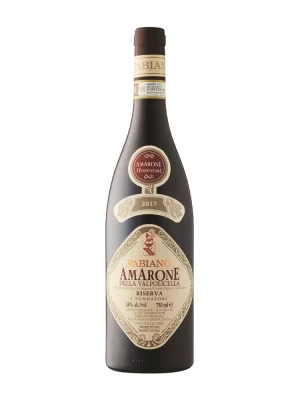
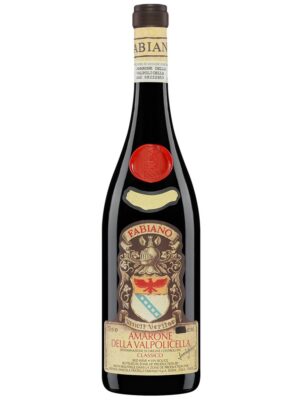
Amarone is a wine of ancient lineage. This “storic” label is produced in limited quantities with grapes from the classic area of Valpolicella, carefully selected, dried and vinified according to the ancient tradition.
Originally Venetian wine traders in 1912, the Fabiano family moved to Verona in 1956 to produce wine on a larger scale, sourcing fruit from Estate and contract vineyards in Soave, Bardolino, and Valpolicella.
Produced by a careful selection of local grapes from the high hills vineyard located in the classic area of the Valpolicella DOC region, in particular around the ancient village of Negrar, this Amarone is a wine of antique lineage. It is a limited production dedicated by Nicola Fabiano to his grandfather Francesco and to his father Sergio. They have been for their children and in particular for him (Nicola) an inspiration and a good example with their passion and tenacity in producing great quality wines.
Originally Venetian wine traders in 1912, the Fabiano family moved to Verona in 1956 to produce wine on a larger scale, sourcing fruit from Estate and contract vineyards in Soave, Bardolino, and Valpolicella.
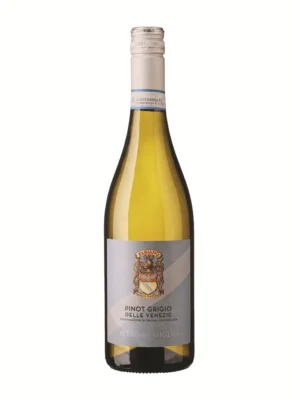
The name “Settimo Miglio” carries a deep meaning. The Fabiano is exactly seven miles from the Verona Arena. The distance measured
according to the tradition of the ancient Romans inspired the name of the wine, representing its close connection with the wine heart of the region. This Pinot Grigio is characterized by delicate minerality, balanced by lively acidity that lends freshness to the wine.
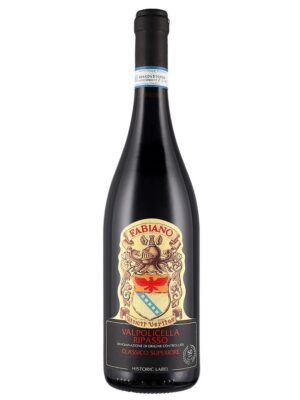
Originally Venetian wine traders in 1912, the Fabiano family moved to Verona in 1956 to produce wine on a larger scale, sourcing fruit from Estate and contract vineyards in Soave, Bardolino, and Valpolicella.
From vineyards located in the hills of Valpolicella Classica, with particular interest in the municipalities of Negrar and S. Pietro in Cariano, on loose red soils with good presence of limestone, this is a wine of ancient origins (hence the historic label) for its conception, where the Ripasso technique represents the tradition of Valpolicella and allows to obtain a wine with a singular complexity and personality.
The name Cielo e Terra (literally Sky and Land, or Heaven and Earth) recreates a perfect marriage, where Heaven is represented by the family of the same name and the Land is identified with the expert hands of the winegrower partners working in the vineyards that yield these wines.
The grapes for this red wine grow in IGT Puglia. The grapes are picked early (hence Primitivo) to ensure the freshness, and youthfullness of the fruit.
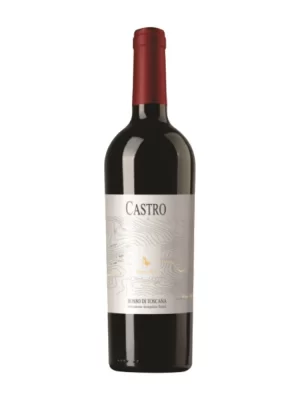
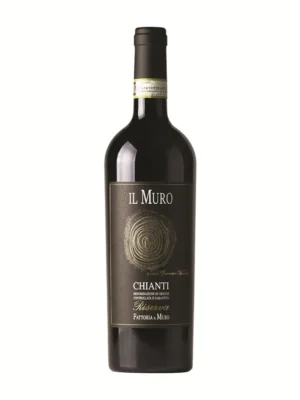
Fattoria Il Muro has been owned by the Pancaro family for about 200 years and has always been dedicated to viticulture, thanks to the favorable environmental conditions. The presence of soils rich in galestro and the climate, characterized by strong temperature variations due to the proximity to the Alpe di Poti, create a micro-environment that enhances the organoleptic qualities and healthiness of the grapes. This allows for the adoption of environmentally friendly cultivation practices. The vineyards and olive groves extend mainly on hilly terrain that gently slopes towards the valley plain of the Castro stream.
The name of the wine is dedicated to the Castro torrent, a mountain torrent that flows down by our vineyards.
It can be consider a Baby SuperTuscan because of its «traditional» SuperTuscan blend, but unlike “Senior” Supertuscan wines, ageing takes place in used barrels and only for 6 months, so it remains fresh and extremely easy to drink.
Fattoria Il Muro has been owned by the Pancaro family for about 200 years and has always been dedicated to viticulture, thanks to the favorable environmental conditions. The presence of soils rich in galestro and the climate, characterized by strong temperature variations due to the proximity to the Alpe di Poti, create a micro-environment that enhances the organoleptic qualities and healthiness of the grapes. This allows for the adoption of environmentally friendly cultivation practices. The vineyards and olive groves extend mainly on hilly terrain that gently slopes towards the valley plain of the Castro stream.
The Pancaro family have known Stefano di Blasi privately for many years, well-known in the world of wine to be behind the helm of several vintages of Solaia and Tignanello from Antinori, and therefore also chose him as winemaker at this house’s Chianti Riserva.
Fattoria Il Muro has been owned by the Pancaro family for about 200 years and has always been dedicated to viticulture, thanks to the favorable environmental conditions. The presence of soils rich in galestro and the climate, characterized by strong temperature variations due to the proximity to the Alpe di Poti, create a micro-environment that enhances the organoleptic qualities and healthiness of the grapes. This allows for the adoption of environmentally friendly cultivation practices. The vineyards and olive groves extend mainly on hilly terrain that gently slopes towards the valley plain of the Castro stream.
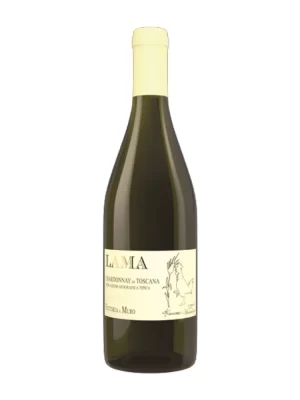
The name Lama comes from the name of a close “podere”, in which the family of a farmer used to live during the old times of “mezzadria”. “Mezzadria” was an old way to conduct the farm which envisaged the division of land into small lots (podere) inhabited and cultivated by peasants who paid the estate owners with half the product of their land.
Fattoria Il Muro has been owned by the Pancaro family for about 200 years and has always been dedicated to viticulture, thanks to the favorable environmental conditions. The presence of soils rich in galestro and the climate, characterized by strong temperature variations due to the proximity to the Alpe di Poti, create a micro-environment that enhances the organoleptic qualities and healthiness of the grapes. This allows for the adoption of environmentally friendly cultivation practices. The vineyards and olive groves extend mainly on hilly terrain that gently slopes towards the valley plain of the Castro stream.
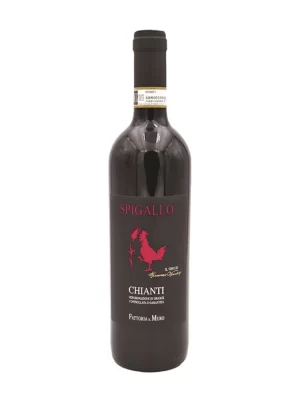
At Fattoria Il Muro they started to call their Chianti, Spigallo, in 2011, when they changed the farm’s image and decided to adopt a cock pecking a sheaf of wheat as their logo. The decision was made because they found this picture in their villa since in the past it was used as the family crest. The name Spigallo is a pun because it’s the union for the Italian words “spiga” (sheaf of wheat) and “gallo” (cock) which are both in the final, symbolic logo.
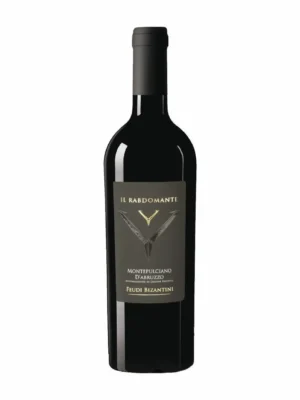
Feudi Bizantini is a young project founded by a group of wine lovers whom have joined their efforts to take the best from a set of factors linked to the climate, the territory typologies, the grapes and the human work that make Crecchio a unique land in the world wine atlas. The winery’s dedication to Abruzzo’s viticultural past, to innovation, and to research has resulted in superior wines that have elevated this important winegrowing area to world class status.
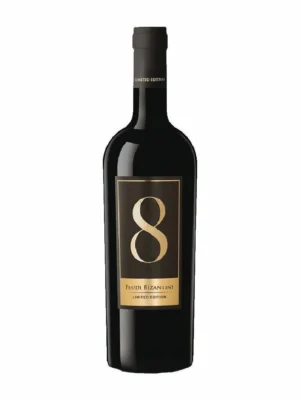
8 Limited Edition a cru wine obtained from Abruzzo’ s most important red grape varieties. This wine represents the commitment to making the utmost of the spectacular terroirs and microclimates that Abruzzo region offers.
Feudi Bizantini is a young project founded by a group of wine lovers whom have joined their efforts to take the best from a set of factors linked to the climate, the territory typologies, the grapes and the human work that make Crecchio a unique land in the world wine atlas. The winery’s dedication to Abruzzo’s viticultural past, to innovation, and to research has resulted in superior wines that have elevated this important winegrowing area to world class status.
Il Rabdomante Montepulciano D’Abruzzo is a cru wine obtained from Abruzzo’ s most important red grape, the Montepulciano D’Abruzzo. This wine represents the commitment to making the utmost of the spectacular terroirs and microclimates that Abruzzo region offers.
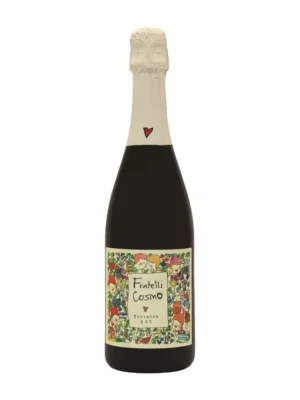
For over thirty years, Fratelli Cosmo have been producing Conegliano Valdobbiadene Prosecco Superiore, pioneering the revival of a method that was widespread in the Conegliano Valdobbiadene area until 1930 and subsequently forgotten.
Today, they can proudly take you on a journey through various methods of vinification and sparkling wine production using Glera grapes, to discover together that Prosecco can transcend traditional interpretations.
This graceful, fragrant Prosecco is the fruit of a selection of grapes from the finest vineyards in the zone of Cordignano, Sarmede, and Cappella Maggiore in the hills of Treviso.
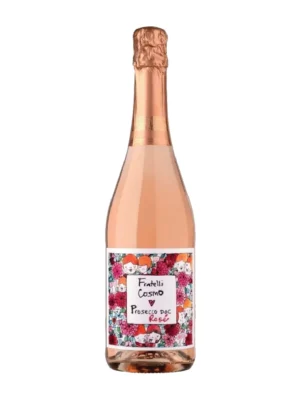
For over thirty years, Fratelli Cosmo have been producing Conegliano Valdobbiadene Prosecco Superiore, pioneering the revival of a method that was widespread in the Conegliano Valdobbiadene area until 1930 and subsequently forgotten.
Today, they can proudly take you on a journey through various methods of vinification and sparkling wine production using Glera grapes, to discover together that Prosecco can transcend traditional interpretations.
Tribute to the Cosmo brothers, this fragrant, delicate Prosecco DOC Rosé is a quality selection of the finest Glera and Pinot Noir grapes from the province of Treviso.
The name Cielo e Terra (literally Sky and Land, or Heaven and Earth) recreates a perfect marriage, where Heaven is represented by the family of the same name and the Land is identified with the expert hands of the winegrower partners working in the vineyards that yield these wines.
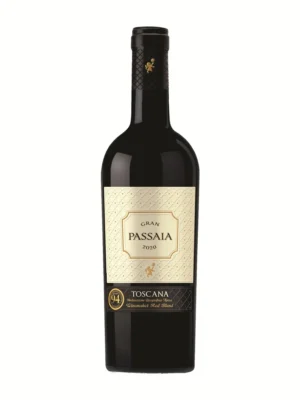
The grapes for this magnificent Toscana IGT red undergoes the traditional winemaking practice of slow fermentation of the fresh drawn-off wine which is combined with light drying of grapes, to give a softer and more modern taste.
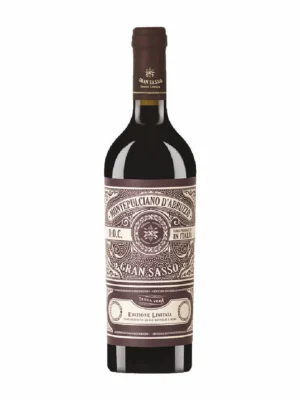
The Gran Sasso is the highest mountain of the Apennines (2912 meters above sea level) that protects the region from rainfall from the western side of the country. The cool wind from the Apennines and the sea breezes from the Adriatic Sea create a unique and truly exceptional microclimate. The weather here is typically Mediterranean with hot summers and snowy winters. The composition of the soil mixed: in the hilly areas and on the mountain slopes we find marly-clayey soils, rich in sand and limestone; in the flat areas of the coast, on the other hand, soil with gravel and alluvial deposits.
The vineyards of this Montepulciano d’Abruzzo DOC are situated around the area around of Roseto degli Abruzzi on the Adriatic coast of the Abruzzo region. On the steep slopes with a perfect sun exposure, the vines are planted on a clay and limestone soils. The thermic excursion between day and night creates a perfect balance between flavours and acidity.


 Download Tasting Note