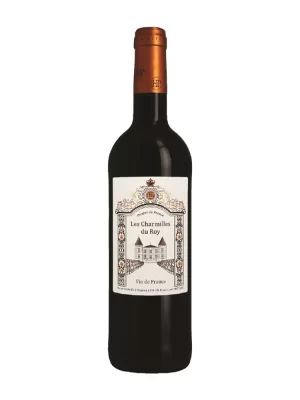
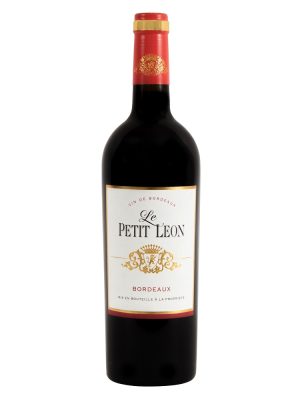
Family owned since 1810, the Château Cap Léon Veyrin originates from the meeting of Château Cap Léon and the Veyrin estate. Cape comes from the word “head”. In fact, the vineyards of Cap Léon are located on the highest points of Listrac-Médoc, favoring natural drainage and ideal sunshine. Nathalie and Julien Meyre, are the 6th generation of the family running this property, perpetuate the tradition: predominance of Merlot, collage with egg white, aging of 12 months in barrels, manual harvesting for young parcels and for old vines, while bringing their dynamism to this renowned Cru Bourgeois du Médoc.
Le Petit Leon is de-facto the second wine of Château Cap Leon Veyrin, even though some grapes are bought in for this wine. The quality is outstanding and the presentation top drawer. Certainly one to look out for if you are on the hunt for quality at a great price.
For more info, visit Château Cap Léon Veyrinwebsite.
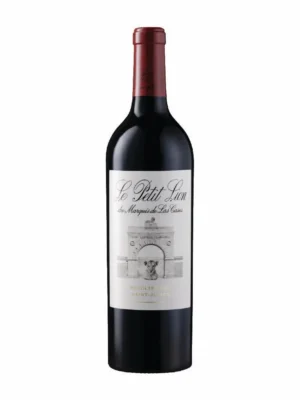
Château Léoville Las Cases is one of the most emblematic estates in the prestigious Saint-Julien appellation on the Left Bank of the Bordeaux region, with vintage after vintage reaching new heights of excellence and elegance.
The Second Wine of Château Léoville Las Cases, Le Petit Lion du Marquis de Las Cases was created in 2007 and is made from plots of vines in the Clos Léoville Las Cases. Combined with the presence of gravelly soils derived from the Günz, resting on subsoils of a gravelly-sandy nature with more or less deep clay, the terroir of Château Léoville Las Cases combines all the conditions needed to produce vintages with legendary allure.
For more info, visit Château Léoville Las Cases website.
VARIETALS
55.5% Cabernet Sauvignon, 38.5% Merlot, 6% Cabernet Franc
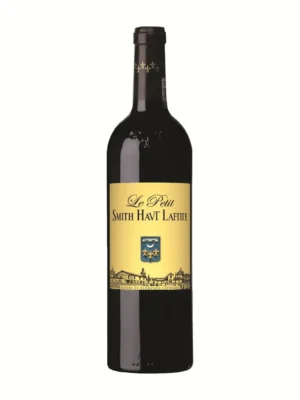
Located in the heart of the Pessac-Léognan appellation and dating back to 1365, Château Smith Haut Lafitte is one of the oldest châteaux in Bordeaux. This magnificent property entered a new era in its history following its acquisition by Daniel and Florence Cathiard in 1990. Driven with passion and ambition by the Cathiards, Château Smith Haut Lafitte has established itself as one of the finest properties in the Graves region, with wines world-renowned for their elegance and style, both red and white.
The Petit Smith Haut Lafitte is is the second wine of Château Smith Haut Lafitte but produced and cared for with the same attention reserved for the château’s first wine. The château uses its own vines, thanks to a mother vine preserved in the nursery on Lalande Island.
For more info, visit Château Smith Haut Lafittewebsite.
Vignobles Lassagne gather several family properties that were bought since three generations and are grown according to tradition and innovation on unique terroir located in the Libourne area.
Vignobles Lassagne encompasses these three properties: Château des Arnauds (the original estate), Château des Landes and Château Maltus, the latest addition to the Vignobles Lassagne.
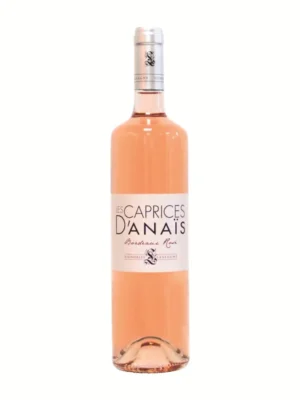
A pressed rosé made from the best Cabernet Franc, harvested at perfect maturity.
Originally from Schönberg, in the Rhineland, fleeing the consequences of the defeat of Napoleon I, the Yung family origins settled for more than a century in Algeria. Already listed in the first edition of Féret des Vins d’Oranie in 1886, the family developed its vineyard until independence, until forced to abandon the wine estates it had owned since 1859.
In 1862 Charles Young joined his older brother, already settled in Gironde. He then decides to acquire for his 2 children and his 2 nephews, the Château Haut Mondain, a 42-hectare AOC Bordeaux wine estate, followed then by Château Barail, Les Hauts de Palette and Moulin de Tassin.
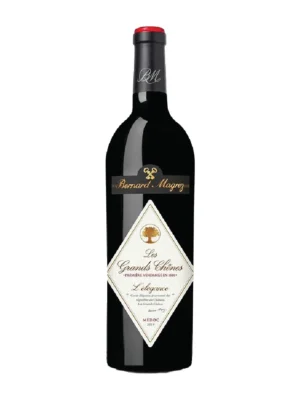
The first plantation in the history of the Château Les Grands Chênes, named Cru Bourgeois Supérieur, took place in 1880. This property was one of the first acquired by Bernard Magrez in the Médoc vineyards. This castle is often considered as “The Pearl of the Medoc”. It is located on the famous gravelly ridge of Saint Christoly du Médoc and is built around an old fortress dating from the sixteenth century.
It’s in Saint-Christoly Médoc, a town once famous for its port where the sounds of barrels rolling onto the quayside, is where the vineyards of Château Les Grands Chênes are located. Ideally planted on a beautiful hillside of Garonne gravel, it makes the most of this top-quality terroir.
Crafted with input from renowned consultant Michel Rolland, the 2019 Les Grands Chênes L’Élégance is a refined Médoc wine from the extensive portfolio of Bernard Magrez, often referred to as a “hidden treasure” for its quality-to-price ratio.
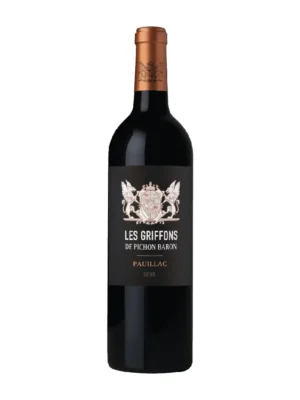
Les Griffons de Pichon Baron is one of the second wines of the property. Created since the 2012 vintage, it has a pure and direct character.
The grapes which make up this wine’s blend come primarily from gravelly plots of land near the Gironde estuary, a good environment for Cabernet-Sauvignon.
Les Griffons offers a vigorous and fresh tasting experience, full-bodied and clean, overflowing with energy.
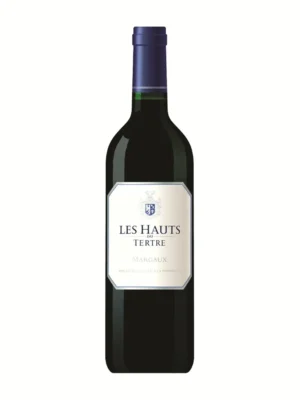
Château du Tertre is a property steeped in history. This property has existed since the 12th century and its vineyard of 52 hectares remains unchanged since 1855. Since the 19th century, their wines have become worldwide recognised thanks to the classification of 1855 which makes Château du Tertre a Grand Cru Classé de Margaux.
Crafted with the same precision, passion, and expertise as Château du Tertre, Les Hauts du Tertre reveals another side of the estate, that of a wine best discovered and appreciated in its younger years. Lively, with silky tannins, its fruity and spicy notes blend with the delicacy of Margaux wines.
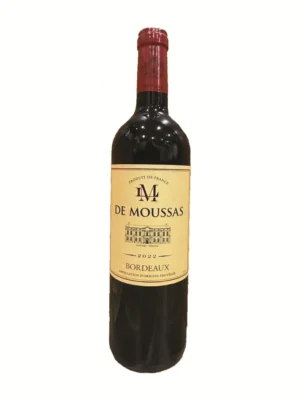
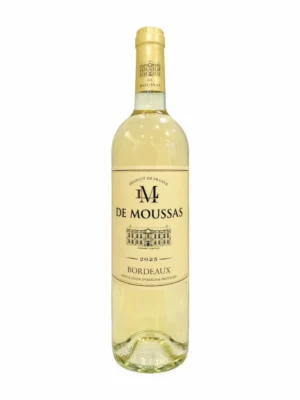
Created under the guidance of Philippe Castéja, Château Lynch-Moussas, LM de Moussas embodies the essence of the great Bordeaux terroirs. Entrusted to the finest oenologists of the Maison A. de Luze, its creation is based on one absolute principle: to reveal a wine that is both structured, balanced, and marked by beautiful freshness.
Created under the guidance of Philippe Castéja, Château Lynch-Moussas, LM de Moussas embodies the essence of the great Bordeaux terroirs. Entrusted to the finest oenologists of the Maison A. de Luze, its creation is based on one absolute principle: to reveal a wine that is both structured, balanced, and marked by beautiful freshness.
This appellation d’origine protégée (AOP) wine represents a classic, refreshing style of dry white Bordeaux. It is typically crafted from a traditional blend dominated by Sauvignon Blanc and Sémillon.
Vignobles Lassagne gather several family properties that were bought since three generations and are grown according to tradition and innovation on unique terroir located in the Libourne area.
Vignobles Lassagne encompasses these three properties: Château des Arnauds (the original estate), Château des Landes and Château Maltus, the latest addition to the Vignobles Lassagne.
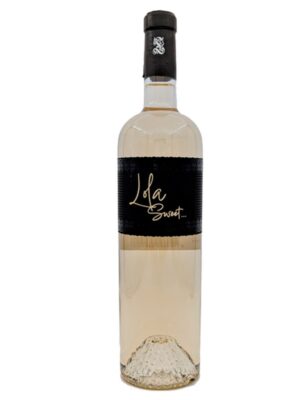
Discover the irresistible charm of Lola Sweet, an elegant and refined white wine from the heart of Bordeaux. Produced by the renowned Vignobles Lassagne winery, from the prestigious Bordeaux Blanc Doux appellation, this wine symbolizes the rich tradition of sweet white Bordeaux wines.
Made from 100% Sauvignon Blanc, a grape variety known for its aromatic power and fresh acidity, that in this moelleux version, comes into full bloom, with a velvety structure and a seductively sweet flavor profile.
Vignobles Lassagne gather several family properties that were bought since three generations and are grown according to tradition and innovation on unique terroir located in the Libourne area.
Vignobles Lassagne encompasses these three properties: Château des Arnauds (the original estate), Château des Landes and Château Maltus, the latest addition to the Vignobles Lassagne.
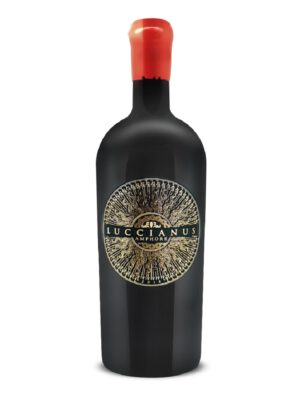
Luccianus is the name of Gallo-Roman origin designating the town of Lussac and its vineyard dating from the 4th century.
This cuvée is a return to ancestral ageing techniques. Uniquely composed of Cabernet Franc from old vines of 100 years with an ageing in amphora which gives a very expressive wine with a superb aromatic radiance and very silky tannins all without a woody note.
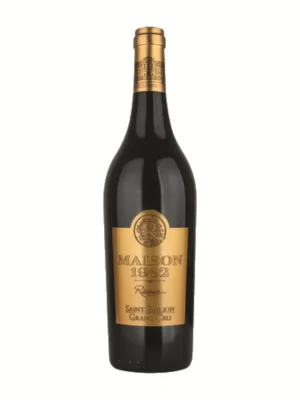
The Teycheney family has been cultivating vineyards since 1837, when the first generation settled in the heart of Entre-Deux-Mers, on the family’s historic estate. They are perhaps most widely known for Cheteau Fleur de La Lisse from Saint Emilion.
Since 2015, the 6th generation, Caroline Teycheney, has been in charge of the vineyards, which now cover 62 hectares in Entre-Deux-Mers and 32 hectares in Saint-Émilion Grand Cru. The vineyard from which the Maison 1982 Réserve is produced is located on the edge of the medieval village of Saint-Émilion, at the foot of the clay and limestone hill. It has been cultivated with passion using organic and biodynamic methods since 2016, with the utmost respect for man and nature. The best Merlot plots are meticulously worked and blended to produce the estate’s finest cuvées.
Organic wine certified AB (Agriculture Biologique).
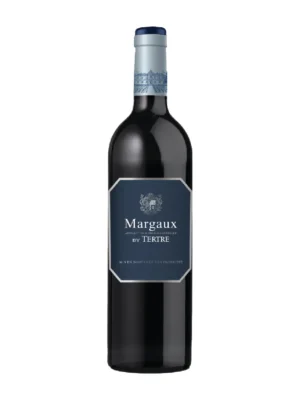
In Arsac in the heart of the Margaux appellation, Château du Tertre overlooks a single holding vineyard of 52 hectares. The property, situated on one of the highest hills in the Médoc is composed of gravel, clay and sand. It was during the XIXth century that the wines acquired international renown, amplified by the 1855 classification which established the property as a 5th Growth.
Margaux by Tertre is a nice introduction to the wines produced by Château du Tertre.
The viticulture and vinification are carried out with the same high level of quality. Margaux by Tertre is mainly produced from the
young vines of Château du Tertre giving the wine a very fruity style, with a nice smoothness and roundness.
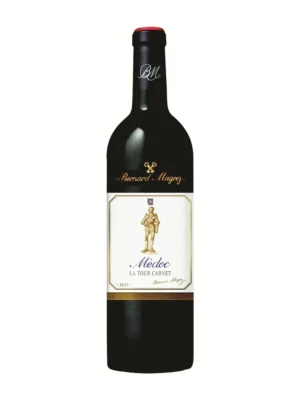
The history of La Tour Carnet merges with the history of France. Bearing the name of the squire who infallibly helped his Lord to resist French royalty at the end of the Hundred Years War, Château La Tour Carnet played a major role in the revolution of the Médoc vineyards and the quality of its wine, rewarded by the entry in the classification of Grands Crus Classés of 1855. The diversity of its terroir and the constant search for perfection make this Haut-Médoc an exceptional wine.
the grapes of Médoc de La Tour Carnet comes from a vineyard crowning the Estuary, dominantly Merlot, on a soil of Garonne gravel, in a very privileged and protected environment.


 Download Tasting Note